

Understanding TWIA Eligibility Rules for Texas Homeowners
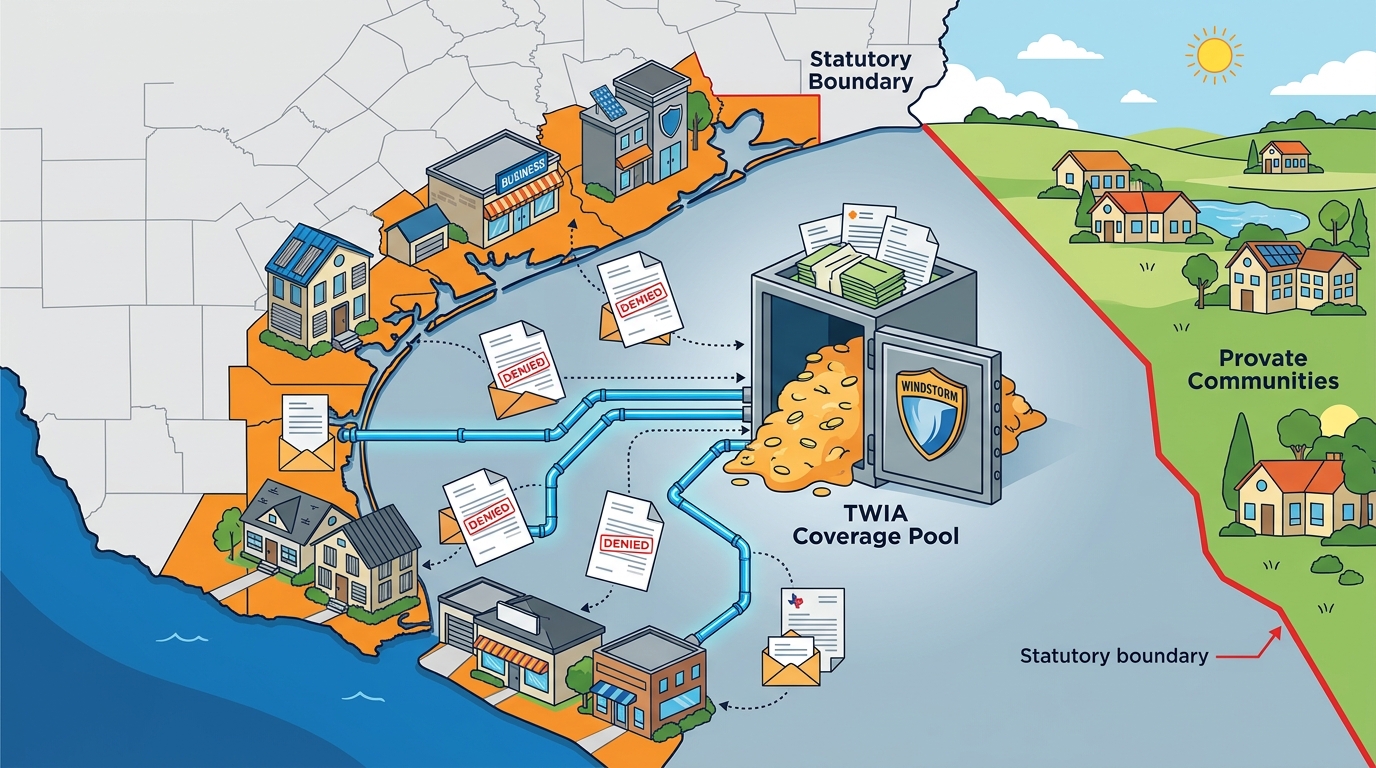
Eligibility for windstorm coverage through the Texas Windstorm Insurance Association (TWIA) is determined by specific statutory criteria, primarily focusing on geographic location and the inability to secure private insurance. Homeowners in designated coastal counties must first attempt to purchase coverage from private carriers. If they are denied or offered only inadequate coverage, they may qualify for the state pool. This mechanism ensures that residents in high-risk hurricane zones are not left without essential protection for their primary residences. For additional details, review the Contact Insurance Carrier Brad.
Geographic Boundaries and County Designations
The most fundamental eligibility rule is geographic. TWIA serves specific coastal counties in Texas where hurricane risk is highest. These areas are defined by state law and mapped by the Texas Department of Insurance. If your property is located outside these designated zones, you generally cannot purchase TWIA coverage, regardless of your insurance history. For residents in the Galveston and Texas City areas, this geographic requirement is a constant factor in their insurance planning.
It is important to distinguish between the county where the property is located and the county where the owner resides. The policy follows the physical location of the home. If you own a vacation home in a TWIA county but live in an inland city, the vacation home is eligible for TWIA coverage if other criteria are met. This distinction is critical for investors and second-home owners who may not realize their out-of-state or out-of-county residence status does not disqualify the property itself.
The Requirement to Seek Private Coverage First
Before applying to TWIA, you must demonstrate that you have attempted to obtain coverage from private insurance companies. This is not a mere formality; it is a legal prerequisite. You are required to request quotes from private carriers. If a private insurer denies your application or offers a policy with coverage limits that are significantly lower than what is available in the state pool, you may then apply to TWIA. The state pool acts as a market of last resort, designed to protect consumers who are otherwise uninsurable in the private market. according to What is the
Documentation of these attempts is essential. Keep records of all quotes, denial letters, and correspondence with private agents. When you apply to TWIA, you will need to provide this evidence. Without proof that you sought private coverage, your application to the state pool may be rejected. This process ensures that the state pool is used appropriately and that private insurers are given the first opportunity to serve the market.
Property Type and Occupancy Restrictions
Not all properties in eligible counties qualify for TWIA coverage. The state pool primarily insures single-family homes, condominiums, and certain multi-family residential buildings. Commercial properties, vacant lots, and structures used primarily for business purposes are generally excluded. Additionally, the property must be the owner's primary residence or a second home. It cannot be a rental property intended for commercial leasing. These restrictions ensure that the pool remains focused on protecting individual homeowners and families rather than commercial interests.
For condominium owners, eligibility depends on the association's master policy. If the association has a master policy that covers the building's exterior, individual unit owners may still need TWIA coverage for their interior contents and liability. However, if the association is already insured through TWIA, individual units may have different eligibility rules. It is crucial to review your association's bylaws and insurance documents to understand what is covered at the master level and what requires individual action.
Financial and Underwriting Considerations
While TWIA is a state pool, it still conducts underwriting reviews. This includes assessing the condition of the property, its construction type, and its vulnerability to wind and flood damage. Properties with significant structural deficiencies or those located in high-risk flood zones may face higher premiums or specific coverage limitations. TWIA does not provide flood insurance; that is a separate product typically purchased through the National Flood Insurance Program (NFIP). Therefore, while TWIA covers wind damage, you must separately evaluate your flood risk and secure appropriate flood coverage if necessary.
Understanding the difference between wind and flood coverage is a common point of confusion for new policyholders. Windstorm insurance covers damage from high winds, including roof, siding, and structural components. Flood insurance covers water intrusion from rising water, storm surge, or heavy rainfall. Since these are distinct perils, a comprehensive risk management strategy often involves both policies. Homeowners should consult with an insurance professional to ensure they have adequate protection for both risks.
Key Takeaways
- Eligibility is primarily based on the property's location in a designated coastal county. according to Eligibility Enrollment Active
- You must attempt to purchase coverage from private insurers before applying to TWIA.
- Keep detailed records of all private insurance quotes and denials.
- Commercial properties and vacant lots are generally not eligible for TWIA coverage.
- Windstorm insurance does not include flood coverage; these are separate policies.
- Condominium eligibility depends on the association's master policy structure.
Frequently Asked Questions
Can I buy TWIA coverage if I live outside the coastal counties?
No, eligibility is based on the location of the property, not the owner's residence. If the home is in a designated TWIA county, it may be eligible, even if you live elsewhere. according to Medicaid Eligibility Policy
Do I need to be denied by every private insurer?
You do not need to be denied by every insurer, but you must demonstrate that you have made a good-faith effort to obtain private coverage. Typically, quotes from a few major carriers are sufficient to prove this.
Does TWIA cover flood damage?
No, TWIA provides windstorm coverage only. Flood damage is excluded. You must purchase separate flood insurance, usually through the National Flood Insurance Program, to be protected against water intrusion.
What if my home is a rental property?
Commercial rental properties are generally not eligible for TWIA coverage. The pool is designed for owner-occupied primary or secondary residences.
How long does the application process take?
The timeline can vary depending on the completeness of your documentation and the current volume of applications. Providing all required records of private insurance attempts can help expedite the process.
Next Steps for Homeowners
Navigating the eligibility rules for windstorm coverage can be complex, but understanding the basics empowers you to make informed decisions. If you are a homeowner in the Galveston or Texas City area, it is wise to stay proactive about your insurance needs. Regularly review your policy, keep your records organized, and stay informed about changes in state regulations. For personalized guidance on your specific situation, consider reaching out to a local insurance professional who understands the nuances of the Texas market. Contact Brad Spurgeon Insurance Agency to discuss your options and ensure you have the right coverage in place for your home and family. according to Windstorm and Hail